
Optimal Timing for Asphalt Maintenance
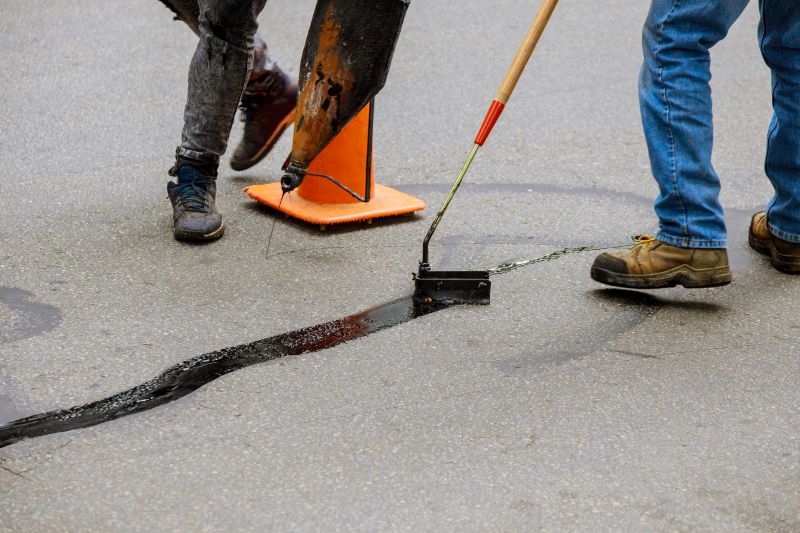
Spring offers moderate temperatures ideal for asphalt repair and sealing, ensuring proper curing and adhesion.
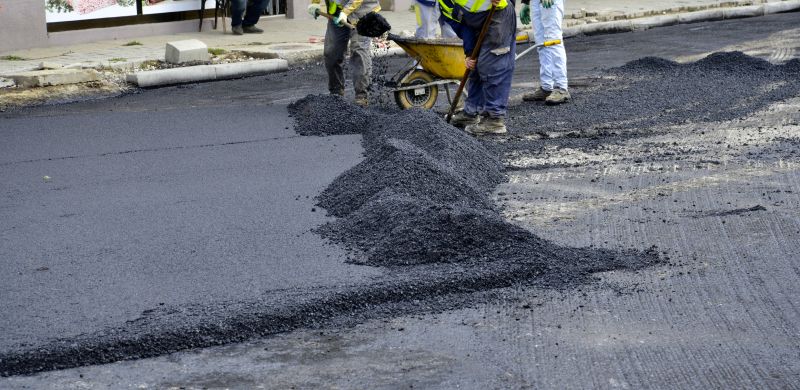
Warm weather facilitates asphalt installation and repairs, but excessive heat can cause softening and delays.

Fall provides cooler temperatures suitable for sealing and repairs, preventing damage from winter conditions.

Ways to make Asphalt Service work in tight or awkward layouts.
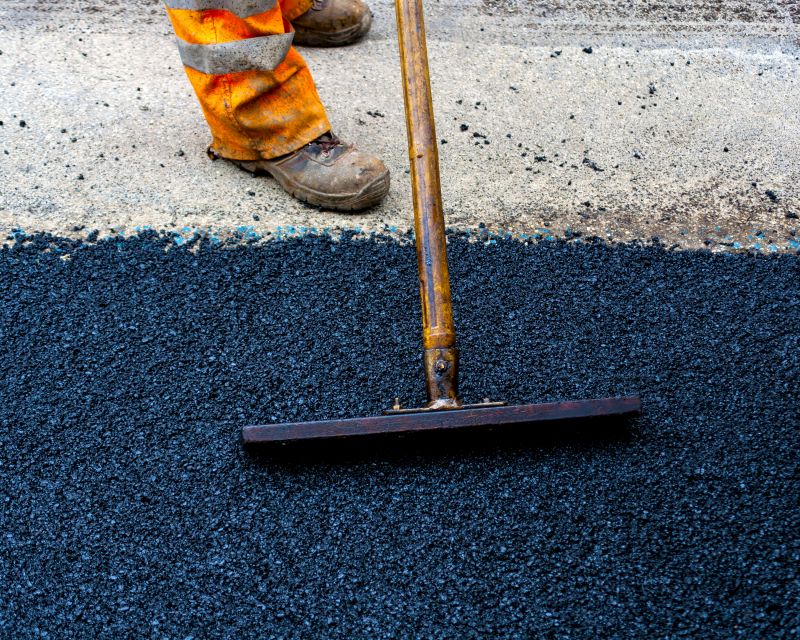
Popular materials for Asphalt Service and why they hold up over time.
Simple add-ons that improve Asphalt Service without blowing the budget.
High-end options that actually feel worth it for Asphalt Service.

Finishes and colors that play nicely with Asphalt Service.
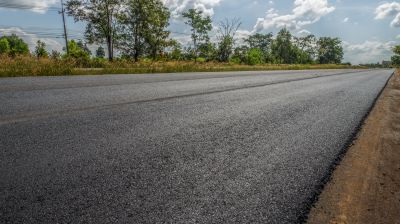
Asphalt service involves a range of maintenance and repair activities designed to extend the lifespan of paved surfaces. Proper timing ensures optimal results and durability. Seasonal considerations are crucial; for instance, asphalt is best applied during moderate temperatures to prevent issues like softening or cracking. In regions with distinct seasons, scheduling asphalt work in spring or fall can lead to longer-lasting results. High temperatures can cause asphalt to become too soft, leading to deformation, while cold weather can hinder proper curing and adhesion.
Temperature plays a vital role in asphalt performance. Ideal temperatures for paving range between 50°F and 85°F.
Dry conditions are preferred to prevent water from compromising the asphalt's integrity during installation.
Planning asphalt service during seasons with stable weather minimizes delays and enhances longevity.
Proper timing reduces the need for frequent repairs and maintains surface quality over time.
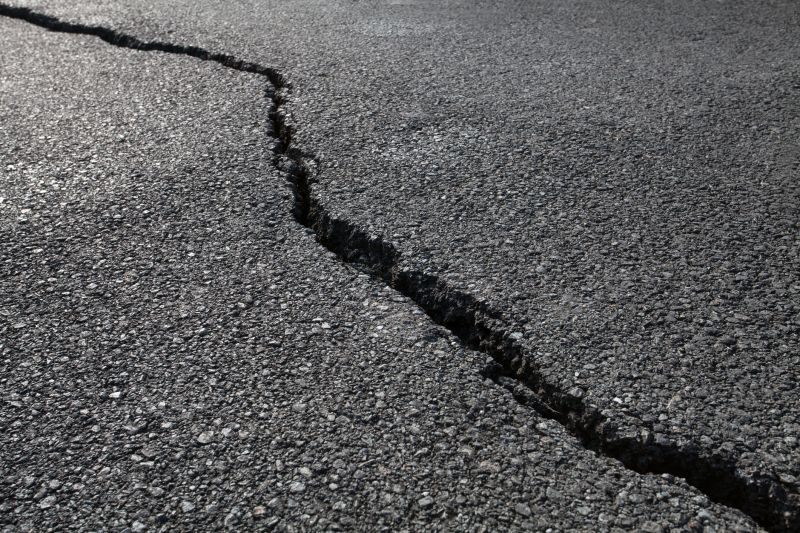
Timely repairs prevent minor issues from becoming major problems, extending pavement lifespan.
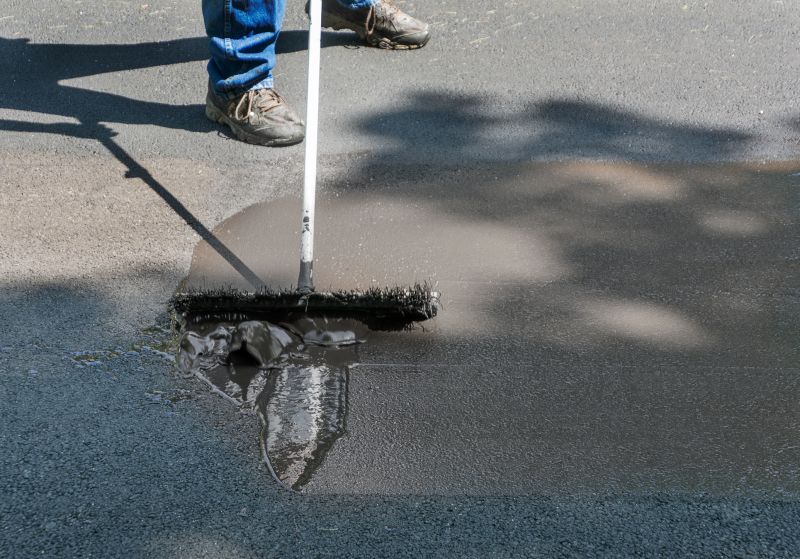
Applying sealcoat during optimal weather protects asphalt from moisture and UV damage.
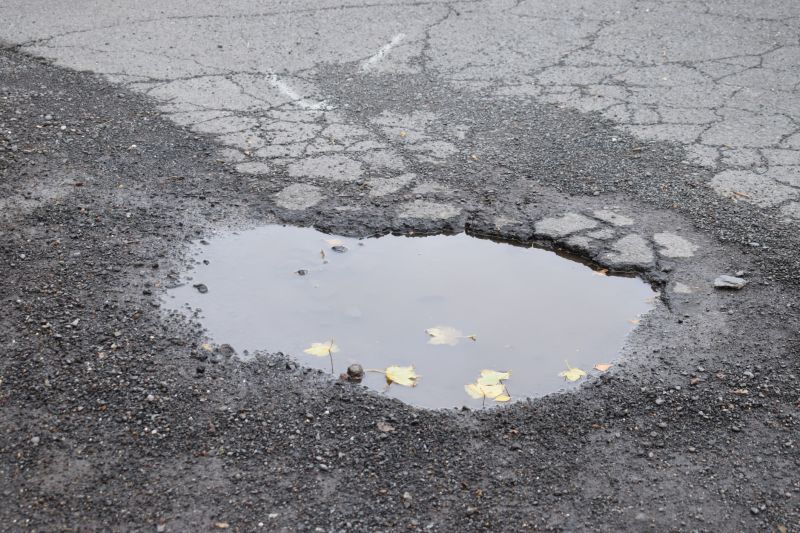
Addressing potholes promptly maintains safety and prevents further deterioration.

Repainting lines during suitable weather ensures visibility and durability.
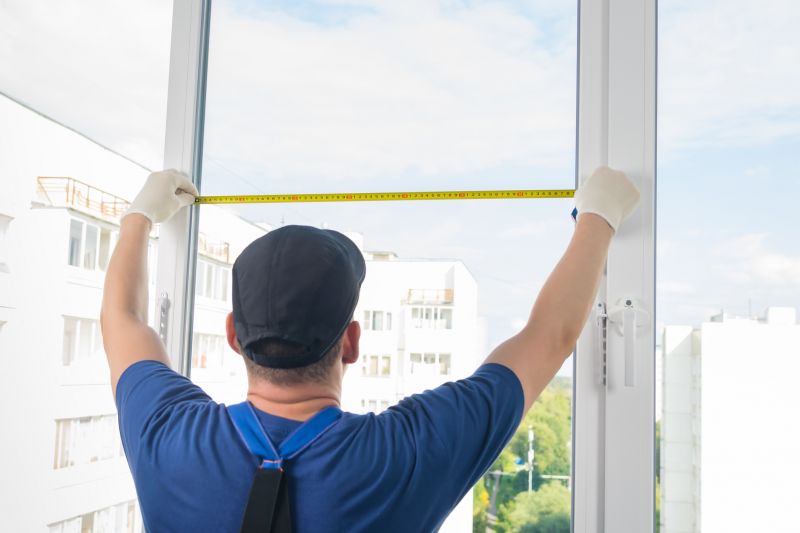
Little measurements that prevent headaches on Asphalt Service day.
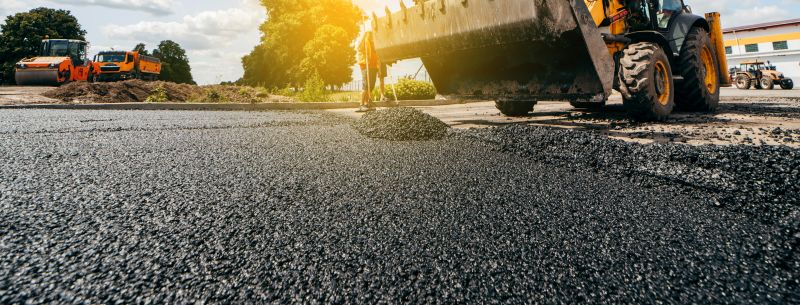
A 60-second routine that keeps Asphalt Service looking new.
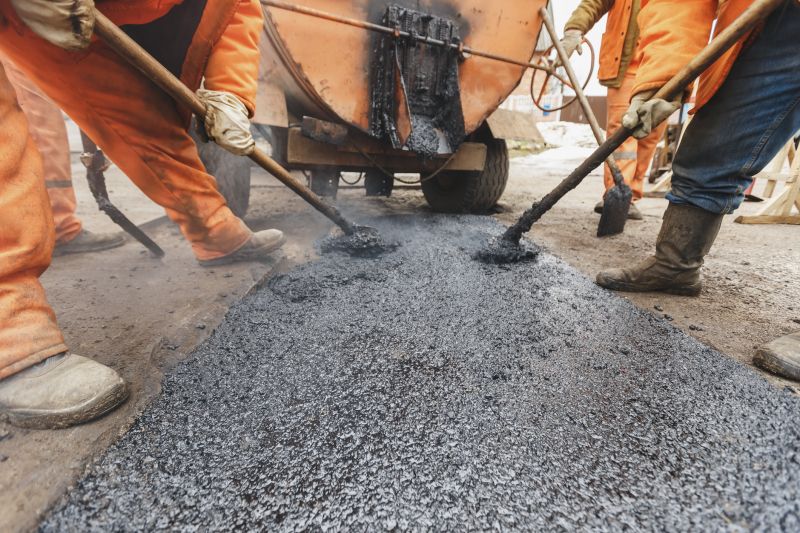
A frequent mistake in Asphalt Service and how to dodge it.
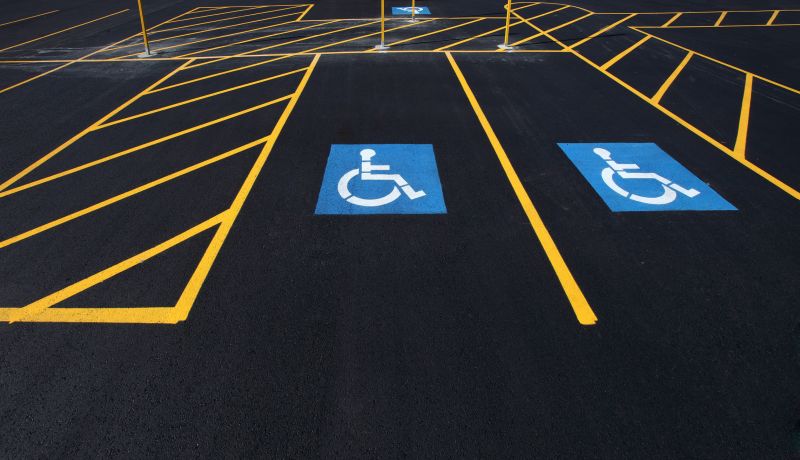
Small tweaks to make Asphalt Service safer and easier to use.
| Season | Recommended Activities |
|---|---|
| Spring | Sealcoating, repairs, crack filling |
| Summer | Hot asphalt paving, repairs, line striping |
| Fall | Sealcoating, repairs, preparing for winter |
| Winter | Limited asphalt work; focus on repairs if weather permits |
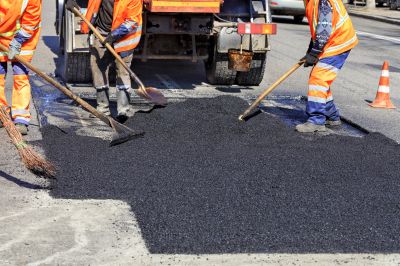
Proper preparation and timely repairs restore pavement integrity and extend its lifespan.
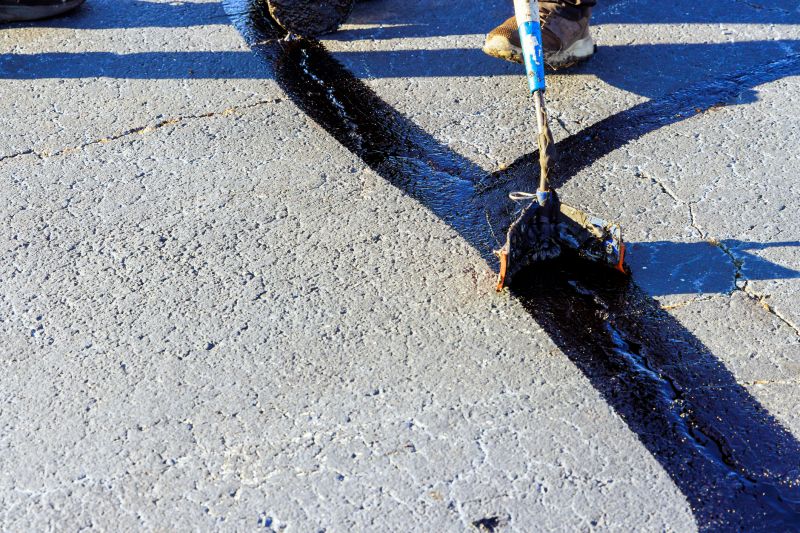
Sealcoating during favorable weather protects asphalt from elements and UV damage.
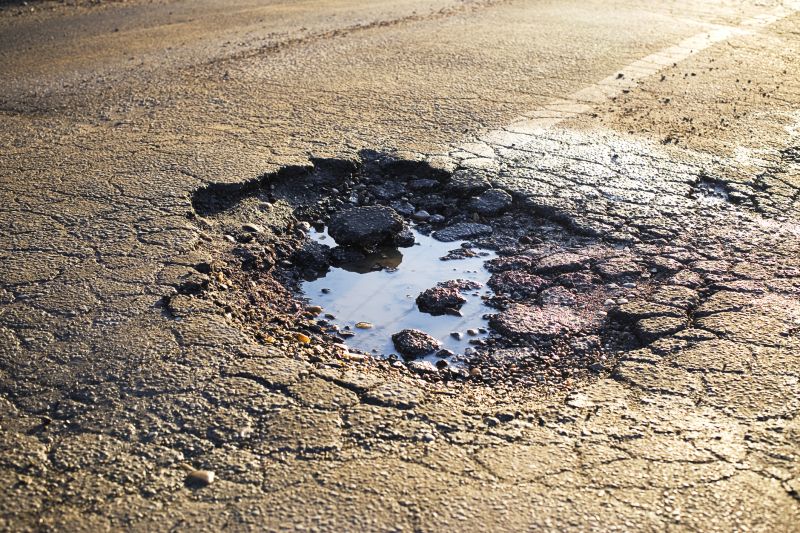
Addressing potholes early prevents further pavement deterioration and safety hazards.

Repainting lines during suitable weather maintains visibility and safety standards.
Lower-waste or water-saving choices for Asphalt Service.
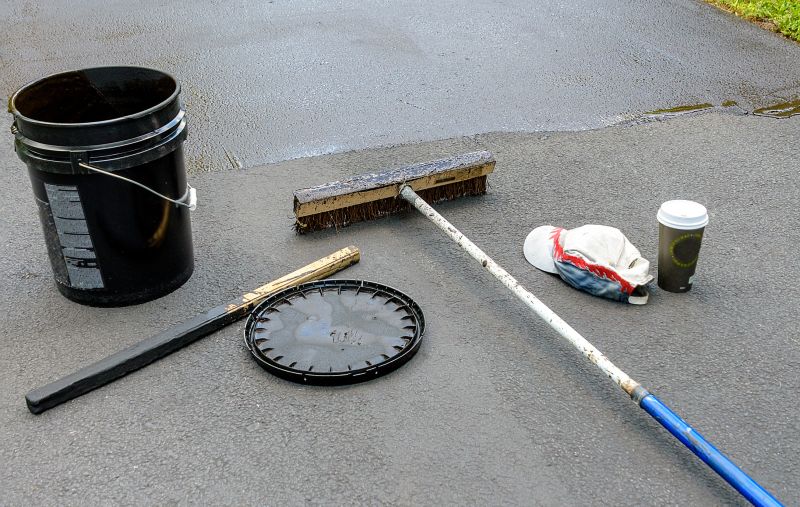
The short, realistic tool list for quality Asphalt Service.
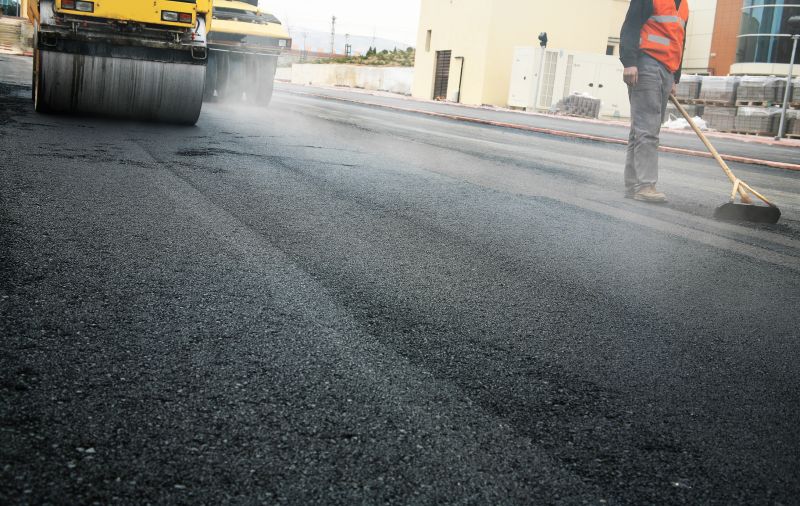
Rough timing from prep to clean-up for Asphalt Service.
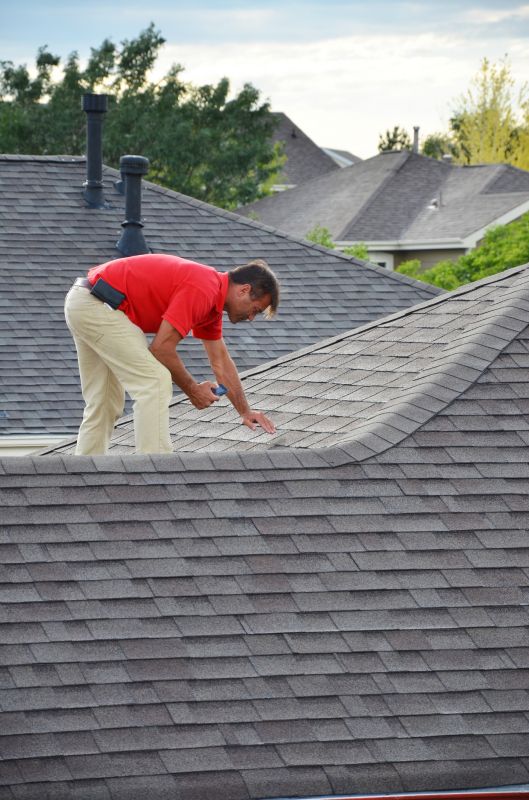
Quick checks and paperwork to keep after Asphalt Service.
Timely asphalt service is essential for maintaining a safe and durable paved surface. Proper scheduling aligned with seasonal conditions ensures effective application and long-lasting results. Regular maintenance, including sealing and repairs, can significantly improve the appearance and functionality of asphalt surfaces.
Interested parties are encouraged to contact for further information about asphalt service scheduling and options. Filling out the contact form can help determine the best timing and services for specific needs, ensuring optimal pavement performance.